
Split's Riva Explained: Everything First-Time Visitors Need to Know About Split Famous Promenade
If you’ve ever seen a photo of Split, Croatia, the one with the golden stone promenade, the Saint Domnius Cathedral, and the palm-lined waterfront stretching toward an impossibly blue sea, you were looking at the Riva. It is Split’s living room: the place where everything begins and everything eventually returns. Locals call it simply ‘the Riva,’ and in a city this rich with history and character, that single word carries enormous weight. Whether you’re arriving by ferry, walking down from Diocletian’s Palace, or strolling over from your hotel, the Riva is your starting point. This guide covers everything a first-time visitor needs to know, what it is, why it matters, when to go, and how to make the most of every hour you spend there!
The Riva (officially called “Obala Hrvatskog narodnog preporoda“) is the main waterfront promenade of Split, running along the southern face of Diocletian’s Palace, one of the best-preserved Roman monuments in the world. Stretching roughly 400 metres, it faces the Adriatic Sea and the islands of Brač, Šolta, and Hvar on the horizon.
The promenade is lined with open-air cafés, restaurants, and palm trees, and it forms a natural gathering place for locals and tourists alike, day and night. Unlike many European tourist waterfronts, the Riva is not a polished, sanitised attraction. It is a genuinely lived-in public space. You’ll find fishermen, pensioners playing cards, families with prams, honeymooners watching sunsets, and day-trippers loading onto island ferries, all sharing the same stretch of white stone pavement.
The Riva’s story is inseparable from Diocletian’s Palace, which the Roman Emperor Diocletian built between 295 and 305 AD as his retirement residence. The southern façade of the palace, where the Riva now runs, originally stood directly at the water’s edge, with the Adriatic lapping against its foundations.
Over the centuries, land reclamation gradually pushed the shoreline outward, creating the broad promenade we see today. The waterfront evolved through Venetian, Napoleonic, and Austro-Hungarian rule, each era leaving its architectural mark. The café culture and elegant stone terrace you see now were largely shaped during the 19th century, when Split grew as a Mediterranean port city.
The most recent renovation, completed in 2007, stripped back decades of additions and returned the Riva to a cleaner, more open form; white stone, minimal clutter, and a clear sightline across the water that mirrors what Diocletian himself once enjoyed.
What to See and Do on the Riva: An Hour-by-Hour Guide
The Riva rewards visitors at every hour of the day, but what you’ll find there changes dramatically depending on when you arrive. Here is a practical guide to making the most of your time.
1.
Morning (7:00 – 10:00): The Riva at Its Most Local
Early morning is the best time to experience the Riva as locals do. The tourist crowds haven’t arrived yet, the light is soft and golden, and the café terraces are filled with residents drinking espresso and reading the news. This is also the time when the daily fish market operates near the western end of the promenade, a vivid, fragrant slice of everyday Split.
- Walk the full length of the promenade without the afternoon crowds.
- Have coffee at one of the waterfront cafés — most open by 7:30.
- Watch the ferries departing for Brač and Hvar in the early light.
- Browse the morning fish market for a glimpse of local life.
Best for: Photographers, early risers, and anyone wanting to see Split before it becomes busy.
2.
Late Morning (10:00 – 13:00): Explore the Old Town
As the day warms up, use the Riva as your base for exploring Diocletian’s Palace. The main entrance to the old town, the Bronze Gate, opens directly from the waterfront. The palace interior is a living neighbourhood of apartments, restaurants, boutiques, and Roman ruins that you can explore freely.
- Enter Diocletian’s Palace through the Bronze Gate on the Riva.
- Visit the Cathedral of Saint Domnius (the oldest cathedral in the world in its original building).
- Climb the bell tower for panoramic views over the Adriatic.
- Browse the narrow lanes of the Vestibule and Peristyle.
3.
Afternoon (13:00 – 17:00): Lunch, Shade & the Sea
The Riva in the early afternoon can be warm, sometimes very warm in July and August. This is the time to linger over a long lunch at a terrace restaurant, take a short boat trip to escape the heat, or dip into the cafés and galleries of the old town.
- Lunch at one of the Riva restaurants or in the palace courtyards nearby.
- Book a boat excursion. Afternoon departures often have the calmest sea.
- Walk 10 minutes west to Bačvice beach, Split’s beloved urban beach.
- Visit the City Museum or the Split Archaeological Museum to escape the midday heat.
4.
Evening (18:00 – 22:00): The Riva at Its Best
If the Riva has a defining hour, it is the evening. From around 18:00, the promenade fills with the korzo, the traditional Mediterranean evening stroll that is still very much alive in Split. Locals dress up, families walk arm in arm, teenagers gather on the steps, and the café terraces fill to capacity. The light turns golden, then pink, then deep purple over the sea.
- Join the korzo. Simply walk slowly and enjoy the atmosphere.
- Watch the sunset over the Adriatic from the western end of the promenade.
- Have aperitifs at one of the Riva bars as the light fades.
What to Actually Do on the Riva
Search engines like practical advice. Lists. Bullet points. “Best things to do.”
We Will take you places no one will
Your St. Damian Crew.
BOOK AN ADVENTURE TODAY!

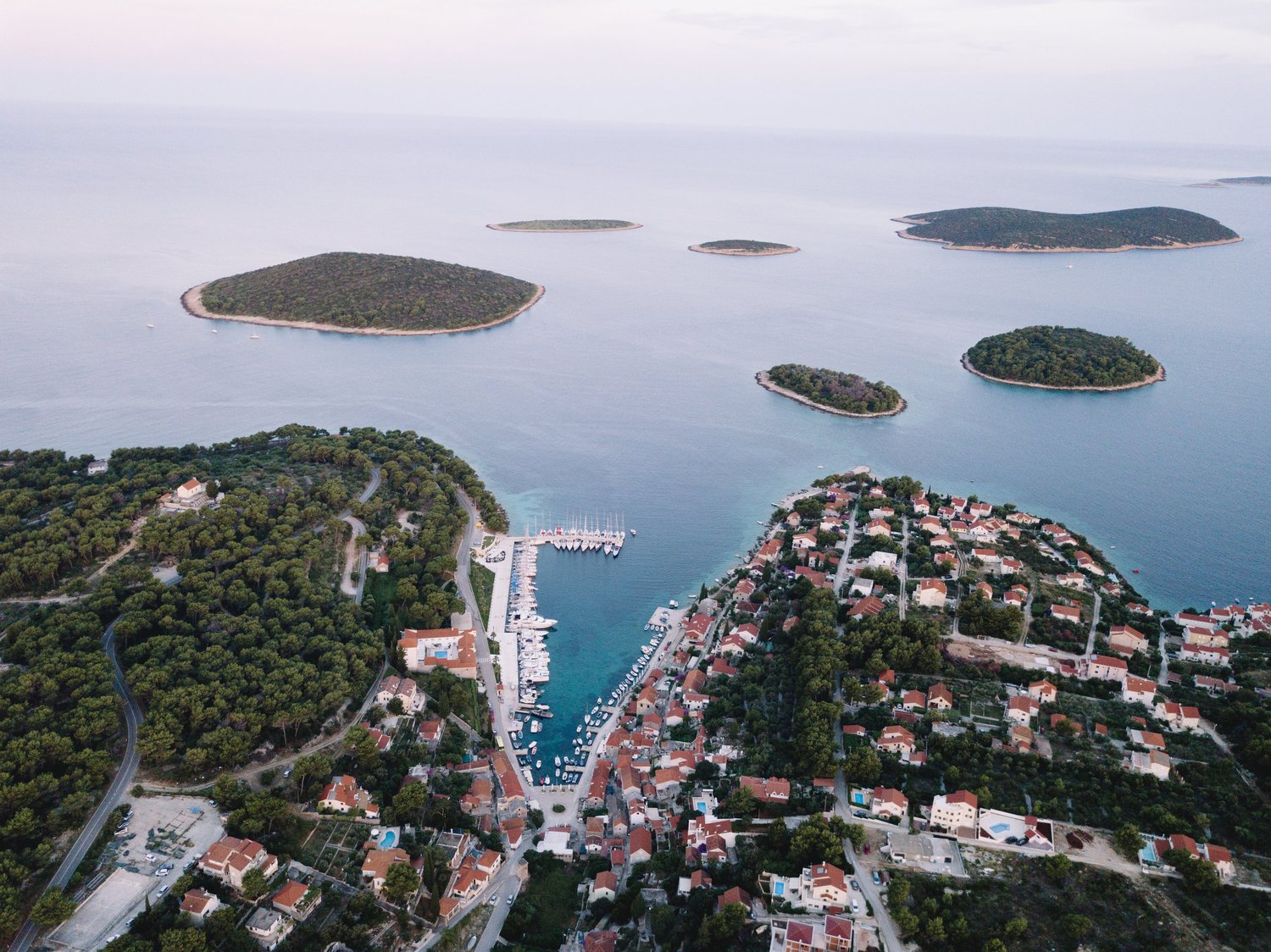
The famous Blue Lagoon
- Water slide & inflatables
- Swimming in the open crystal blue sea
*WHATS INCLUDED*
- Mediterranean lunch (you can choose between a meat, fish or vegan meal)
- Unlimited homemade lemon drink with electrolytes to recharge, as well as water onboard
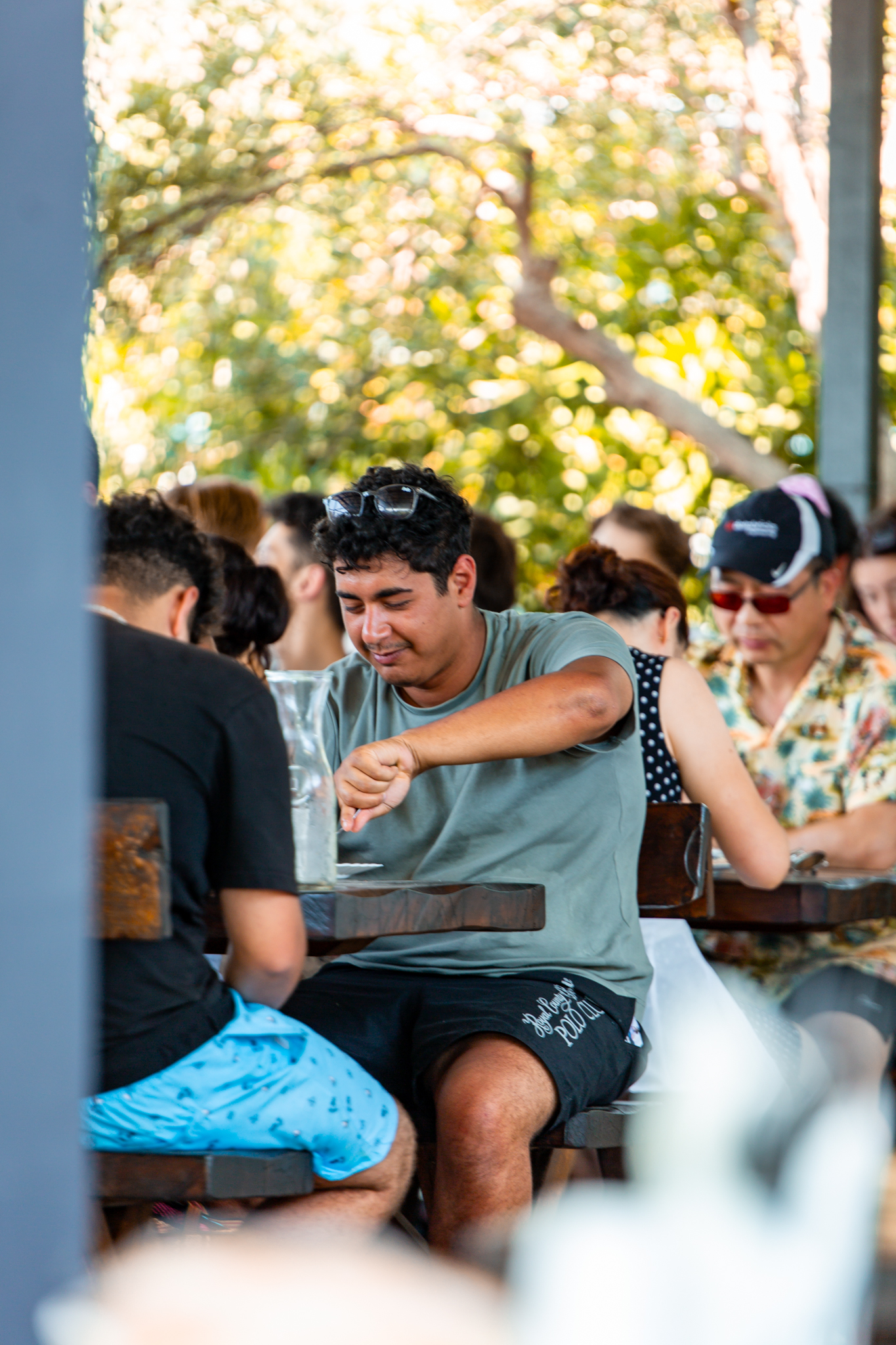
- Professional photographer to capture the experience
- Snorkeling equipment
- Life vests
- A huuuuuge water slide
- Floating foam sticks
- Inflatable kids swimming gloves
*HOW TO GET READY*
Please let us know in advance if you have any dietary restrictions.
We recommend bringing swimwear, sunscreen, towels, hats, sunglasses and maybe some snacks or fruits.
And please arrive at the meeting point 30 minutes before departure.
*WHILE ON THE BOAT*
The crew are all experienced sailors. They are there to help you. If you have any questions, feel free to ask.
Safety first so please let us know if you are not an experienced swimmer.
If you want to get cocktails at beach bars, we recommend bringing cash.
We also have a bar on the boat in case you want to grab a beer, soda or snacks which are not included and are sold separately.